 Back pain affects millions of people, often stemming from herniated discs. These can cause discomfort, mobility challenges and chronic pain if untreated. At Hampton Roads Orthopaedics Spine & Sports Medicine, we are dedicated to helping patients manage and overcome herniated disc issues. This blog explores the symptoms, causes and treatments to empower our patients in Suffolk, Newport News, Yorktown and Williamsburg, VA with the knowledge to protect your spinal health.
What Is a Herniated Disc?
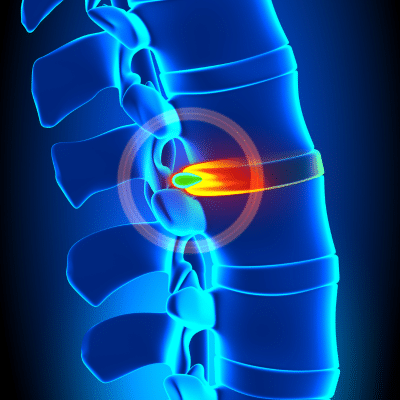
Your spine is cushioned by gel-like discs that act as shock absorbers and allow flexibility. A herniated disc occurs when the soft inner material pushes through a tear in the outer layer, potentially irritating nearby nerves. While common in the lower back (lumbar spine), herniated discs can also occur in the neck (cervical spine).
Not all herniated discs cause symptoms, but those that do can significantly impact daily life.
Symptoms of a Herniated Disc
Symptoms depend on the disc’s location and whether it presses on a nerve. Common indicators include:
- Pain: Localized discomfort in the back or neck and radiating pain in the arms or legs.
- Numbness or Tingling: Feelings of discomfort, tingling, or numbness along the pathway of the impacted nerve.
- Weakness: Muscle weakness, making it hard to lift or hold objects.
- Sciatica: Radiating pain from the lower back down one leg, often linked to lumbar disc issues.
- Restricted Mobility: Difficulty performing routine activities due to stiffness or pain.
Seek immediate medical attention for severe pain, loss of bladder or bowel control, or significant weakness.
Causes of Herniated Discs
Several factors can lead to herniated discs:
- Aging: Spinal discs lose water content with age, becoming less flexible and prone to tears.
- Injury: Sudden trauma, such as a fall or car accident, may cause disc herniation.
- Repetitive Strain: Activities involving repeated bending or lifting can weaken the outer disc layer.
- Genetics: Family history can increase susceptibility.
- Poor Posture and Sedentary Lifestyle: Sitting for long periods or poor posture strains the spine.
- Excess Weight: Added pressure on the spine, particularly in the lower back.
Diagnosing a Herniated Disc
Accurate diagnosis is essential. At Hampton Roads Orthopaedics Spine & Sports Medicine, we combine:
- Medical History and Physical Exam: Evaluating symptoms, reflexes and muscle strength.
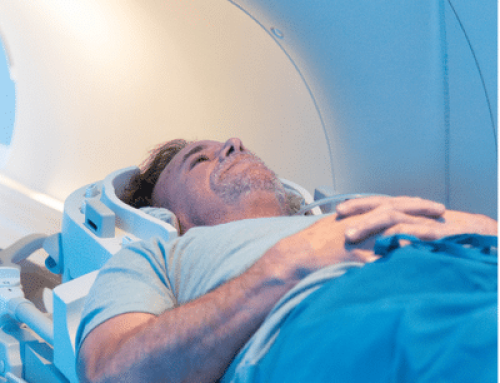
- Imaging Tests: X-rays, MRIs, or CT scans to pinpoint the disc’s location and severity.
Treatment Options for Herniated Discs
Treatment aims to relieve pain, restore mobility, and prevent further issues. Options include:
Non-Surgical Treatments
- Activity Modification: Avoid activities that worsen symptoms while maintaining gentle movement.
- Physical Therapy: Strengthen core muscles, improve flexibility and learn proper body mechanics.
- Medications: Over-the-counter pain relievers or prescription drugs for severe pain.
- Epidural Steroid Injections: Alleviate swelling and offer short-term pain relief.
- Heat and Cold Therapy: Alternate heat and cold packs to manage pain and swelling.
Surgical Treatments
Surgery may be necessary for severe cases or when non-surgical options fail. Procedures include:
- Microdiscectomy: Removal of the disc portion pressing on the nerve, often minimally invasive.
- Laminectomy: Surgically removing a portion of the vertebra to alleviate pressure on the nerves.
- Spinal Fusion: Fusing vertebrae for stability in cases of significant degeneration.
Preventing Herniated Discs
Adopting healthy habits can reduce your risk:
- Maintain Good Posture: Ensure proper alignment when sitting, standing, or lifting.
- Stay Active: Regular exercise strengthens spinal-supporting muscles.
- Manage Weight: A healthy weight reduces stress on the spine.
- Avoid Smoking: Smoking accelerates disc degeneration by limiting blood flow to spinal tissues.
- Lift Safely: Use your legs, not your back, and avoid twisting motions.
Request Your Appointment in Hampton Roads, VA Today
Herniated discs can disrupt daily life, but effective treatments are available to help you find relief and regain mobility. At Hampton Roads Orthopaedics Spine & Sports Medicine, we offer personalized care tailored to your needs. Whether through non-surgical therapies or advanced surgical options, our team is here to support your journey to recovery.
If you’re experiencing symptoms of a herniated disc, don’t wait. Contact us today to request your appointment and take the first step toward a healthier, pain-free future.