
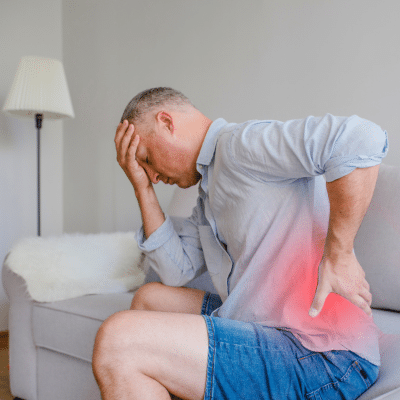
 Pain is a universal experience, but not all pain is the same. At Hampton Roads Orthopaedics Spine & Sports Medicine in Hampton Roads, VA, we frequently see patients struggling with various types of pain, and understanding the difference between chronic pain vs acute pain is essential for effective treatment and management. In this blog, we will explore these two distinct types of pain, their causes, symptoms and how they can be treated.
What is Acute Pain?
Chronic pain vs acute pain is a key distinction in pain management. Acute pain is short-term pain that comes on suddenly and is usually a response to an injury or illness. It acts as the body’s warning system, signaling that something is wrong and needs attention. This type of pain typically resolves once the underlying cause is treated.
Common Causes of Acute Pain:
- Injuries – Sprains, strains, fractures and cuts
- Surgical Procedures – Post-operative pain after medical procedures
- Illnesses – Infections, inflammation, or severe headaches
- Burns and Bites – Skin injuries caused by heat, chemicals, or animals
Symptoms of Acute Pain:
- Sharp or intense pain that starts suddenly
- Swelling, redness, or bruising may also be present.
- Typically localized to the area of injury or illness
- Improves as the body heals, usually within a few days to weeks
What is Chronic Pain?
When considering chronic pain vs acute pain, chronic pain is long-term pain that persists for weeks, months, or even years, often lasting beyond the expected healing time of an initial injury or illness. Unlike acute pain, chronic pain may not always have an obvious cause and can significantly impact a person’s quality of life.
Common Causes of Chronic Pain:
- Arthritis – Osteoarthritis and rheumatoid arthritis
- Back Pain – Due to herniated discs, spinal stenosis, or muscle strain
- Neuropathy – Nerve damage caused by diabetes or injuries
- Fibromyalgia – Widespread musculoskeletal pain with fatigue and sleep issues
- Chronic Migraines – Recurring headaches that interfere with daily life
- Post-Surgical Pain – Lingering pain after a procedure
Symptoms of Chronic Pain:
- Persistent, dull, or burning pain that lasts more than 12 weeks
- Stiffness and discomfort even at rest
- Difficulty sleeping due to ongoing pain
- Emotional effects such as anxiety, depression and irritability
- Reduced ability to perform daily activities
Key Differences Between Chronic Pain vs Acute Pain
- Duration: Acute pain is short-term and typically resolves within weeks, whereas chronic pain persists for months or even years.
- Cause: Acute pain usually has a clear cause, such as an injury or illness. Chronic pain may be harder to pinpoint and can develop over time.
- Pain Type: Acute pain is often sharp, intense and sudden in onset, while chronic pain tends to be persistent, dull, burning, or throbbing.
- Treatment: Acute pain typically resolves when the underlying cause is treated. Chronic pain, however, often requires long-term management through medications, therapy and lifestyle changes.
- Emotional Impact: Acute pain can cause temporary distress, while chronic pain may lead to anxiety, depression and a decreased quality of life.
How is Chronic Pain vs Acute Pain Managed?
Treatment for chronic pain vs acute pain varies based on the underlying cause, severity and impact on daily life.
Treatment for Acute Pain:
- Rest and Ice/Heat Therapy – Reducing inflammation and promoting healing
- Pain Relievers – Over-the-counter medications like ibuprofen or acetaminophen
- Physical Therapy – Gentle movement and stretching to aid recovery
- Medical Interventions – Surgery or other medical procedures if necessary
Treatment for Chronic Pain:
- Medications – Prescription or over-the-counter pain relievers, nerve pain medications
- Physical Therapy – Strengthening exercises to improve mobility and reduce pain
- Injections – Corticosteroid or nerve block injections for pain relief
- Alternative Therapies – Acupuncture, massage and chiropractic care
- Behavioral Therapy – Cognitive-behavioral therapy (CBT) to address emotional aspects of pain
- Lifestyle Changes – Stress management, diet and regular exercise
When to Seek Help for Chronic Pain vs Acute Pain
If you are experiencing acute pain that does not improve within a few days or chronic pain that interferes with daily life, it is important to seek medical attention. At Hampton Roads Orthopaedics Spine & Sports Medicine in Hampton Roads, VA, our team of specialists is dedicated to diagnosing the cause of your pain and providing personalized treatment options to help you regain your quality of life.
Chronic Pain vs Acute Pain: Request Your Appointment in Hampton Roads, VA Today
Understanding chronic pain vs acute pain is crucial for effective treatment and management. While acute pain is typically short-lived and resolves with proper care, chronic pain requires a comprehensive approach that may include medications, physical therapy and lifestyle changes. If you or a loved one are struggling with persistent pain, don’t hesitate to reach out to our expert team at Hampton Roads Orthopaedics Spine & Sports Medicine. We are here to help you find relief and improve your overall well-being.
For more information, request your appointment today!