 At Hampton Roads Orthopaedics Spine & Sports Medicine in Hampton Roads, VA, we know rotator cuff injuries are one of the most common causes of shoulder pain, particularly among athletes and individuals with active lifestyles. The rotator cuff is a group of muscles and tendons that provide stability and mobility to the shoulder joint. When these muscles or tendons become damaged or torn, it can lead to significant pain and dysfunction. In this blog, we will explore the causes, symptoms and treatment options for rotator cuff injuries.
What is a Rotator Cuff Injury?
Rotator cuff injuries involve damage to any of the four muscles or their tendons in the rotator cuff. These muscles are responsible for stabilizing the shoulder and allowing for a wide range of motion. Rotator cuff injuries can vary in severity, from minor strains to complete tears. A tear can be partial or full, and the severity often influences the treatment plan and recovery time.
Causes of Rotator Cuff Injuries
Several factors can contribute to the development of rotator cuff injuries:
- Overuse: Repetitive overhead motions, such as those seen in swimming, tennis, baseball, or weightlifting, put a lot of strain on the rotator cuff and can cause wear and tear over time.
- Acute Injury: A sudden, forceful movement can result in a rotator cuff injury. For example, lifting a heavy object improperly or experiencing a fall can lead to a tear.
- Aging: As we age, the tendons in the rotator cuff naturally weaken and become more prone to injury. This can result in rotator cuff tears, even without trauma.
- Impingement: This occurs when the tendons of the rotator cuff rub against the bones in the shoulder, leading to irritation and damage. Impingement is a common precursor to more severe rotator cuff injuries.
Symptoms of Rotator Cuff Injuries
The symptoms of rotator cuff injuries can range from mild discomfort to severe pain. Common signs include:
- Shoulder pain: Pain, especially when lifting the arm overhead or reaching behind the back, is a hallmark symptom of a rotator cuff injury.
- Weakness: A significant weakness in the shoulder, making it difficult to lift objects or perform daily activities, is often a sign of a tear in the rotator cuff.
- Clicking or popping: Some individuals with rotator cuff injuries may hear or feel a clicking or popping sensation when moving the shoulder.
- Decreased range of motion: A rotator cuff tear may cause stiffness and limit the range of motion in the shoulder joint.
If you experience any of these symptoms, it’s important to consult with a healthcare provider to determine the extent of the injury and the best course of action for treatment.
Treatment for Rotator Cuff Injuries
The treatment for rotator cuff injuries depends on the severity of the injury. Treatment can range from non-surgical options like physical therapy and rest to surgical interventions for more severe tears.
Non-Surgical Treatment
For mild to moderate rotator cuff injuries, non-surgical treatments are typically recommended first. These may include:
- Rest: Allowing the shoulder to rest and avoid activities that aggravate the injury can help promote healing.
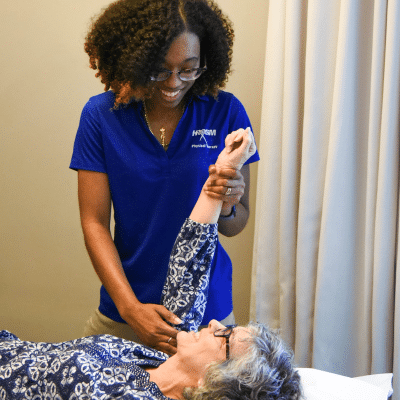
- Physical Therapy: A customized physical therapy plan can help strengthen the muscles around the shoulder, improve flexibility and reduce pain.
- Ice and Heat Therapy: Applying ice to the shoulder in the first few days after the injury can reduce inflammation and swelling. Later, heat therapy may be used to relax muscles and improve blood flow.
- Anti-Inflammatory Medications: Over-the-counter medications like ibuprofen or naproxen can help reduce pain and inflammation associated with rotator cuff injuries.
- Corticosteroid Injections: In some cases, corticosteroid injections may be used to provide temporary relief from pain and inflammation.
Surgical Treatment
For more severe cases, where a rotator cuff injury is extensive or does not improve with conservative treatment, surgery may be required. Surgical options include:
- Arthroscopic Surgery: This minimally invasive procedure involves small incisions and the use of a camera to repair torn rotator cuff tendons.
- Open Surgery: In cases where the injury is large or complicated, open surgery may be necessary to repair the rotator cuff and restore function.
- Tendon Grafting: In cases of significant tendon damage, a tendon graft may be used to replace the damaged tissue.
Recovery and Prevention of Rotator Cuff Injuries
Recovery time from rotator cuff injuries vary depending on the severity and type of treatment. Non-surgical recovery may take several weeks to months, while surgical recovery may take several months or even longer. Physical therapy is often an essential part of recovery to help restore strength and flexibility to the shoulder.
Preventing rotator cuff injuries involves strengthening the shoulder muscles, avoiding repetitive overhead motions and using proper techniques when lifting heavy objects or engaging in sports. Regular stretching and warm-up exercises can also help reduce the risk of injury.
Rotator Cuff Injuries: Request Your Appointment in Hampton Roads, VA Today
Rotator cuff injuries can be a debilitating condition, but with the right treatment, many individuals can recover fully and return to their normal activities. Whether you’re dealing with a minor strain or a full tear, seeking prompt medical care is essential to ensure the best possible outcome. At Hampton Roads Orthopaedics Spine & Sports Medicine in Hampton Roads, VA, our specialists are experienced in diagnosing and treating rotator cuff injuries to help you get back to a pain-free, active lifestyle. If you suspect a rotator cuff injury, request an appointment today to discuss your treatment options.