
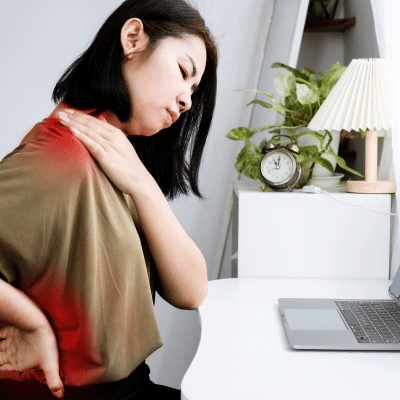
 Maintaining good posture is essential for overall health, yet many people underestimate its impact on their spine. At Hampton Roads Orthopaedics Spine & Sports Medicine in Hampton Roads, VA, we understand the importance of spinal health. Whether you’re sitting at a desk all day, standing for long hours, or frequently looking down at your phone, poor posture can take a serious toll on your spinal health. Over time, bad posture can lead to chronic pain, reduced mobility and even permanent spinal damage. Understanding how poor posture affects spine health can help you take proactive steps to protect it.
The Connection Between Poor Posture and Spine Health
The spine serves as the body’s central support structure, responsible for maintaining stability and enabling movement. It consists of 33 vertebrae, intervertebral discs, muscles and ligaments that work together to support your body. Good posture ensures that the spine remains in proper alignment, reducing unnecessary strain on these structures. However, poor posture places excessive stress on the spine, leading to long-term complications. Knowing how poor posture affects spine health can motivate you to make necessary adjustments.
Common Effects of Poor Posture on Spine Health
Increased Spinal Stress
When you slouch or hunch forward, your spine is forced into an unnatural position. This causes excessive stress on the vertebrae and surrounding muscles, which can lead to pain and discomfort. Over time, the misalignment of the spine can contribute to degenerative conditions such as osteoarthritis and disc herniation. This demonstrates how poor posture affects spine health in ways that can become irreversible if ignored.
Chronic Back and Neck Pain
One of the most noticeable consequences of poor posture is chronic pain, particularly in the lower back and neck. When the spine is misaligned, muscles must work harder to maintain balance, leading to muscle fatigue and pain. Tech neck, a condition caused by frequently looking down at smartphones and tablets, is a prime example of how poor posture affects spine health and contributes to neck strain and discomfort.
Disc Degeneration and Herniation
Intervertebral discs serve as shock absorbers between the vertebrae, providing cushioning and enabling movement. Poor posture, especially when sitting for extended periods, can lead to uneven pressure on these discs. Over time, this pressure can cause the discs to wear down, leading to degenerative disc disease or herniated discs, which can be extremely painful and limit mobility. This is a clear example of how poor posture affects spine health negatively.
Poor Circulation and Nerve Compression
Sitting with poor posture for prolonged periods can restrict blood flow to the spinal structures and surrounding muscles. Additionally, slouching can compress nerves, leading to conditions such as sciatica, which causes pain, numbness and tingling in the lower back and legs. Poor circulation can also slow the body’s natural healing processes, exacerbating existing spinal issues. Understanding how poor posture affects spine health can help you take corrective action before nerve damage occurs.
Reduced Lung Capacity and Breathing Difficulties
Slouching or hunching over compresses the chest cavity, restricting lung expansion and making it difficult to take deep breaths. This can lead to decreased oxygen intake, reduced energy levels and even respiratory complications over time. Proper posture ensures that the lungs have enough space to function optimally, promoting better overall health. Impact on Joint and Muscle Health
Poor posture forces certain muscles to work harder than necessary while others weaken from lack of use. This muscle imbalance can lead to joint pain, stiffness and increased risk of injuries. Over time, weakened muscles may struggle to support the spine properly, further exacerbating spinal misalignment. This further illustrates how poor posture affects spine health and overall mobility.
Tips for Better Posture and Spine Health
Maintain Proper Sitting Posture
- Keep your feet firmly on the ground and your knees bent at a right angle for proper support.
- Keep your back straight and shoulders relaxed.
- Choose a chair with built-in lumbar support to help preserve the natural curve of your spine.
- Adjust your screen to eye level to prevent neck strain.
Stand with Good Posture
- Keep your shoulders back and head aligned with your spine.
- Distribute your weight evenly on both feet.
- Keep your knees slightly bent when standing for long periods to prevent stiffness and discomfort.
- Activate your core to provide stability for your lower back.
Strengthen Your Core Muscles
Maintaining a strong core is key to sustaining good posture. Incorporate exercises such as planks, bridges and abdominal crunches into your routine to enhance core stability and support your spine. Strengthening your core is a key step in counteracting how poor posture affects spine health.
Stretch Regularly
Frequent stretching helps counteract the negative effects of poor posture. Focus on stretches that target the back, shoulders and neck to relieve tension and improve flexibility. Stretching daily can significantly reduce poor posture.
Adjust Your Workstation
If you work at a desk, ensure that your chair, desk and monitor are ergonomically positioned. Use a standing desk or take regular breaks to change positions and avoid prolonged sitting. Making these small changes can reduce how poor posture affects spine health over time.
Seek Professional Help
If you experience chronic pain or discomfort related to poor posture, consult a spine specialist or physical therapist. They can assess your posture, recommend corrective exercises and provide treatments to alleviate pain and prevent further complications. Getting professional help is essential to reversing poor posture.
How Poor Posture Affects Spine Health: Request Your Appointment in Hampton Roads, VA Today
Understanding how poor posture affects spine health is the first step in preventing long-term damage. By maintaining proper posture, engaging in strengthening exercises and making ergonomic adjustments, you can protect your spine and reduce the risk of pain and mobility issues. At Hampton Roads Orthopaedics Spine & Sports Medicine in Hampton Roads, VA, we specialize in spinal health and offer expert care to help you achieve optimal posture and overall well-being. If you’re experiencing back or neck pain due to poor posture, request your appointment with our specialists today!