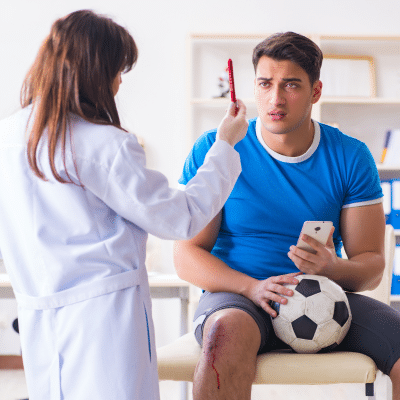
 Returning to sports after an injury can be a challenging but rewarding journey. Athletes, both professional and recreational, often feel the urge to get back to their sport as quickly as possible. However, rushing the process can lead to re-injury or prolonged recovery times. A well-structured plan and proper guidance are crucial to ensuring a successful and safe return to sports. At Hampton Roads Orthopaedics Spine & Sports Medicine (HROSM), we specialize in helping athletes in Suffolk, Newport News, Yorktown and Williamsburg, VA prepare their bodies and minds for a safe comeback.
Here are essential steps to consider when preparing for a return to sports after injury.
Ensure Complete Healing
The first and most critical step in preparing for a return to sports is making sure the injury has completely healed. Prematurely returning to activity before the injury is fully resolved can lead to setbacks or even worse damage. Whether it’s a fracture, muscle strain, ligament tear, or any other injury, it is important to follow your healthcare provider’s advice and wait until you’re medically cleared to resume activities.
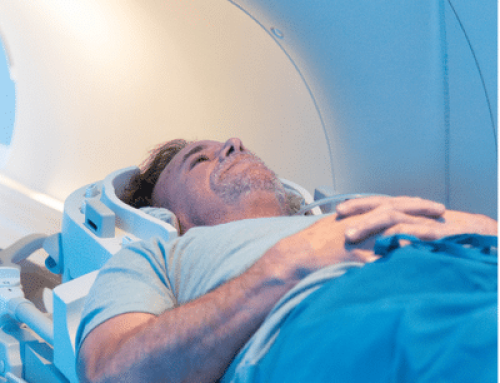
At HROSM, we use advanced diagnostic techniques, such as imaging and physical evaluations, to assess whether the injured area has healed adequately. We provide a clear plan to guide you through the recovery process and ensure your body is ready to return to physical activity.
Follow a Rehabilitation Program
Rehabilitation is key to a successful return to sports. The body undergoes significant changes during the healing process, and rehab helps restore strength, flexibility and mobility. Without proper rehabilitation, the muscles surrounding the injury may weaken, making you more susceptible to further injury.
A well-designed rehabilitation program addresses the specific needs of your injury and sport. Physical therapists at HROSM create personalized rehab programs that include exercises to strengthen muscles, improve range of motion and enhance flexibility. These programs often start with gentle movements and gradually progress to more challenging exercises that mimic the demands of your sport.
Rehabilitation may take weeks or months, but committing to the program is vital for a safe return to sports. Failing to fully rehabilitate can increase the likelihood of re-injury or prolong your recovery period.
Rebuild Overall Conditioning
While rehabilitation focuses on the injured area, it’s important not to neglect your overall fitness. Time off from sports due to an injury can lead to deconditioning, as your cardiovascular fitness and muscle strength decline. Before jumping back into your sport at full intensity, take time to rebuild your overall conditioning.
Start with low-impact cardiovascular exercises, such as swimming, cycling, or using an elliptical machine, to gradually regain your stamina without placing too much stress on the injured area. Strength training, core work and flexibility exercises should also be part of your routine to ensure your entire body is prepared for the physical demands of your sport.
Our team at HROSM can help you design a conditioning program that aligns with your current fitness level and injury status, allowing you to ease back into full activity safely.
Gradual Return to Sport-Specific Movements
Once you’ve regained strength and conditioning, it’s time to reintroduce sport-specific movements. This phase of your recovery involves practicing the specific skills and motions that your sport requires. Depending on the nature of your injury, this could include running, jumping, cutting, or pivoting.
At this stage, athletes often feel the most eager to return to play, but it’s crucial to take things slowly. Begin with lower-intensity exercises and slowly advance to more complex movements. For example, if you’re a basketball player recovering from a knee injury, you may begin with shooting drills and walking through plays before advancing to full-speed sprints and defensive movements.
At HROSM, our sports medicine team works with athletes to ensure a gradual return to sport-specific movements. We’ll monitor your progress and provide feedback on your performance to make sure you’re ready for the next step in your recovery.
Mental Preparation
Injury recovery is not just a physical process—it’s also a mental one. Athletes often experience anxiety or fear about re-injury when returning to their sport. This apprehension can affect performance and confidence, even if the body is physically ready.
It’s important to mentally prepare for your return by building confidence in your body’s ability to perform. Visualization techniques, mindfulness and even working with a sports psychologist can help athletes overcome mental barriers. Developing trust in the rehabilitation process and acknowledging your progress can also boost your confidence.
At HROSM, we recognize the mental aspects of recovery and encourage our athletes to focus on mental resilience and positive thinking as they approach their return to sports.
Listen to Your Body
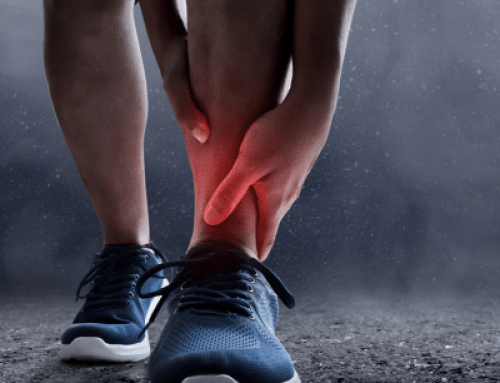
Athletes often push themselves to the limit, but when recovering from an injury, it’s essential to listen to your body. Pain, discomfort, or swelling are signs that you may be overdoing it and need more time to heal or rest. Ignoring these signals can lead to setbacks or additional injuries.
It’s important to communicate openly with your healthcare provider or physical therapist if you experience any discomfort during your recovery. Adjusting your rehab program or training intensity when needed can make all the difference in avoiding re-injury.
At HROSM, we work closely with athletes to monitor their progress and ensure that any issues are addressed quickly.
Incorporate Injury Prevention Strategies
Returning to your sport is an exciting milestone, but it’s important to continue practicing injury prevention techniques moving forward. This includes stretching, warming up properly before activity, strengthening muscles around vulnerable joints and using the appropriate gear, such as braces or supportive footwear, to protect previously injured areas.
Our team at HROSM also helps athletes develop personalized injury prevention plans. By focusing on flexibility, strength and proper biomechanics, we aim to keep athletes healthy and performing at their best long after their initial injury recovery.
Request Your Appointment in Hampton Roads, VA Today
A successful return to sports after injury requires a combination of patience, physical conditioning, mental resilience and expert guidance. At Hampton Roads Orthopaedics Spine & Sports Medicine in Hampton Roads, VA we proudly serve the Nansemond, Warwick and York counties in Virginia. We are committed to helping athletes navigate their recovery process and return to the field, court, or track safely and confidently.
If you’re recovering from an injury and need support, contact HROSM to request your appointment today.