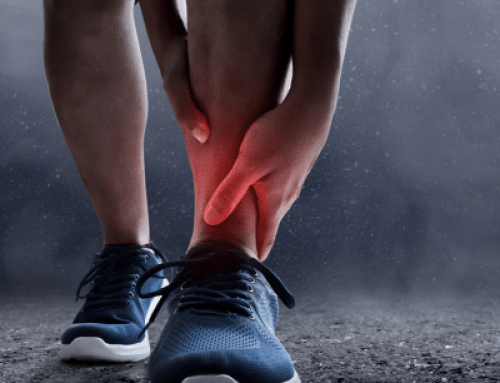
One essential aspect of your orthopedic health is proper footwear and how it can impact your orthopedic health. In this blog, we’ll explore when and why you should consider updating your shoes.
Why Footwear Matters
Before we dive into when you should update your shoes, let’s understand why footwear is crucial for orthopedic health:
- Posture and Alignment: Your feet are the foundation of your body. Properly aligned feet can contribute to good posture and reduce the risk of orthopedic issues.
- Back and Joint Health: Ill-fitting or worn-out shoes can lead to back, knee, hip and ankle problems. The wrong shoes can affect the alignment of your entire body.
- Foot Health: The health of your feet directly impacts your mobility and comfort. Shoes that don’t support your feet adequately can result in pain, corns, calluses and other foot problems.
When to Update Your Shoes
Now, let’s explore when it’s time to consider updating your shoes with an emphasis on orthopedic well-being:
- Pain or Discomfort: If you experience pain or discomfort in your feet, knees, hips or lower back, it might be time to reevaluate your footwear. Pain could be a sign that your shoes don’t provide the necessary support or have worn out over time.
- Visible Wear and Tear: Examine your shoes regularly. If you notice visible wear and tear, including worn-out soles, flattened arch support, or a distorted shape, it’s a strong indication that your shoes are no longer providing the support your feet need.
- Change in Foot Size or Shape: Feet can change shape and size over time, often due to factors like weight gain, pregnancy or aging. If your shoes no longer fit comfortably, it’s time to update to a better-fitting pair.
- Special Orthopedic Needs: Some individuals have specific orthopedic requirements, such as custom orthotic inserts or shoes to support conditions like plantar fasciitis or bunions. If you have such needs, consult with our podiatrists to ensure you have the right shoes.
Choosing the Right Shoes
When updating your shoes for orthopedic purposes, consider these tips:
- Comfort is Key: Look for shoes that offer comfort and support. This may include cushioning, arch support and a good fit.
- Consult an Expert: Our podiatrists can help you determine the best shoes for your specific needs.
- Prioritize Function over Fashion: While stylish shoes can be appealing, prioritize functionality and comfort, especially if you have orthopedic concerns.
- Replace Regularly: Even high-quality shoes wear out over time. Plan to replace your shoes as needed to maintain proper orthopedic support.
At HROSM, we care about your overall well-being, which extends to your orthopedic health. Proper footwear is an integral part of this equation. Don’t wait until discomfort or pain arises; consider updating your shoes when you notice wear and tear or experience discomfort. A small change in your shoes can lead to significant improvements in your orthopedic health and overall quality of life.