Have you been diagnosed with sciatica? Lower-body nerve pain can be acute, but relief is in sight! Learning more about sciatica and understanding your treatment options is your starting point down the road to recovery. Hampton Roads Orthopaedic Spine and Sports Medicine offers a brief guide to this mild-to-severe painful lumbar nerve inflammation below.
What is Sciatica?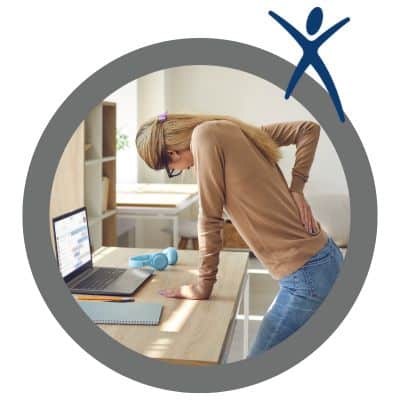
Sciatica is pain caused by irritation or inflammation in or around the sciatic nerve. This nerve starts in your lower back and runs through your hips, branching off down your legs. Typically, it affects only one side of your body.
Causes
Sciatica most commonly occurs when something presses against the sciatic nerve. This could be caused by a muscle spasm, herniated disk, a bone spur on the spine or a narrowing of the spine called spinal stenosis.
Symptoms
The biggest symptom of sciatica is pain that radiates from your lower back to your buttock or hip and down the back of your leg. The pain could be sharp or dull, and it might be accompanied by numbness, weakness, or tingling.
Severe cases requiring immediate medical attention, manifest the following symptoms:
- Loss of bladder or bowel function.
- Weakness in the affected leg.
- Loss of feeling in the affected leg.
Although most people fully recover from sciatica, it may potentially cause permanent nerve damage.
What is the Treatment for Sciatica?
When it comes to treating sciatica, you have many options.
- Medications can help with the pain. Your doctor might prescribe an anti-inflammatory or muscle relaxant, steroids to control inflammation or recommend an over-the-counter pain reliever.
- Many people find relief with a cold compress or ice pack. Others gain relief from a heating pad. For maximum relief, alternate hot and cold compresses.
- Physical therapy, stretches and yoga are very effective treatments. Stretching will relieve the pain and help prevent it from coming back.
- Some cases respond well to lumbar epidural steroid injections (ESIs).
- Surgery is rarely needed and is only for severe cases.
Sciatica is a common and often painful condition that affects millions of people worldwide. It’s not actually a medical diagnosis itself, but rather a symptom of an underlying issue involving the sciatic nerve — the longest nerve in the body, running from the lower back down through the hips, buttocks, and into each leg.
The classic sign is pain that radiates from the lower back or buttock down one leg. This pain can range from a mild ache to a sharp, burning sensation or even feel like an electric jolt. Some people also experience numbness, tingling, or muscle weakness in the affected leg or foot. Typically, sciatica affects only one side of the body.
The most common cause is a herniated or slipped disc in the spine, which presses on the sciatic nerve. Other possible causes include spinal stenosis (narrowing of the spinal canal), degenerative disc disease, or even a muscle called the piriformis pressing on the nerve.
Fortunately, many cases improve with conservative treatment. Rest, gentle stretching, and anti-inflammatory medications often help reduce inflammation and relieve pain. Physical therapy is another great tool — it can strengthen the muscles that support your spine and improve posture, which helps prevent future flare-ups.
If pain persists or worsens, more advanced options like corticosteroid injections or surgery may be considered, especially if there’s significant nerve compression or loss of function.
To reduce your risk, maintain a healthy weight, stay active with regular low-impact exercise like walking or swimming, and practice good posture. If your job involves long periods of sitting, take frequent breaks to stand, stretch, and move around.
While sciatica can be frustrating and disruptive, with proper care and patience, most people recover well and return to their normal activities without long-term issues.
We Can Help!
If you have sciatica, please contact us for help at Hampton Roads Orthopaedic Spine and Sports Medicine. We look forward to exploring your symptoms, identifying the best treatment plan for you and expediting your road to recovery and relief.