
Hip replacement isn’t a new term in the medical world, as it has been around for nearly half a century. In this article, we will outline why you may need a hip replacement, what to expect during the operation process, and how to get yourself right as quickly as possible after the surgery. Over the years, advances in surgical materials and techniques have seen a variation in types of hip replacement.
 When Should You Consider a Hip Replacement?
This comes down to whether a hip replacement would enhance your quality of life. Also, you may need to discuss matters with your surgeon or physician to determine whether having a hip replacement will assist you.
Why do People Require Hip Replacements?
The leading reason behind requiring a hip replacement is hip arthritis, mostly osteoarthritis. Over the years, your joints wear and are less able to perform their roles.
The Surgery
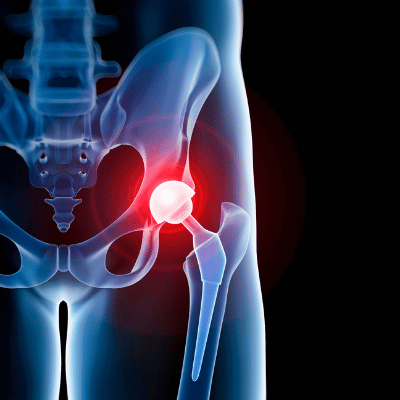
There are several variations in hip replacement surgery, and different physicians prefer different tactics. The basics of this surgery involve removing the degenerate head of the femur and then replacing it with a prosthetic implant together with an acetabulum or new socket in the pelvis. Upon successful surgery, a patient ends up with a new articular structure known as THR (Total Hip Replacement).
What Should You Expect After the Surgery?
After the surgery, you will most likely go through drains to eliminate any bleeding from the hip. Also, you may be on some form of analgesia as well as blood-thinning medication. Your physical therapists will also encourage you to do some simple bed workouts to maintain smooth blood circulation in order to help improve the recovery process.
Patients are advised to walk correctly and frequently following the surgery. For many years, this has been seen as the best way of rehabilitating after hip replacement. You must avoid various positions and actions to prevent the probability of hip dislocation. Excessive bending or leg crossing isn’t recommended.
Remember, it can take a few months—or even up to two years, in rare cases—if you had uncemented hip surgery before you reach your best potential again. Thus, patience is a must.
If you are suffering, contact your HROSM orthopaedic specialist at (757) 873-1554 for further steps to take to address your issues. Our providers can help you find relief.