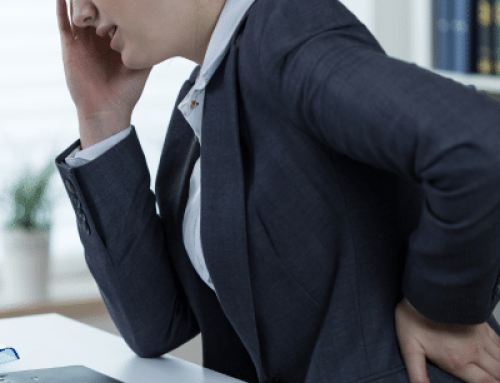
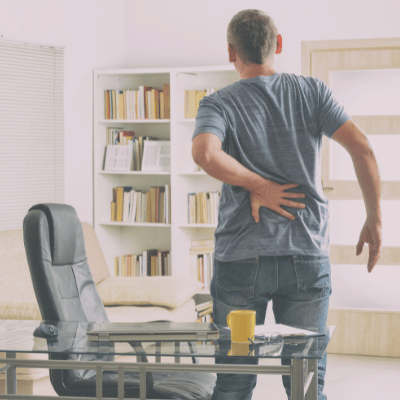
Lower back pain is one of the most common reasons to miss work and leisure activities that are important to us. It is a painful and frustrating experience to suffer from unresolved back pain, and at any given time, 31 million Americans report suffering from pain in the lower back. This condition can interfere with everyday tasks such as walking, standing, or even sitting for long periods. Without proper treatment, back pain can worsen over time, leading to chronic discomfort and limited mobility.
 Causes of Lower Back Pain
The back is a complex structure made of muscles, bones, joints and ligaments. Although it withstands extreme stress, it can be injured accidentally from a heavy impact. You feel pain in your back resulting from:
- Strained muscles
- Sprained ligaments
- Ruptured discs
- Irritated joints
But even a simple action such as turning over in bed can twist the spine just enough to cause a back injury. Other factors that contribute to back pain include poor posture, arthritis, obesity and stress.
Understanding the Causes of Lower Back Pain
Lower back pain is one of the most common health complaints, affecting people of all ages and lifestyles. But what actually causes it? Understanding the root of the pain can help guide treatment and prevention.
One of the leading causes is muscle or ligament strain, often resulting from heavy lifting, sudden movements, or poor posture. Over time, repetitive stress on the lower back can cause discomfort and inflammation.
Degenerative disc disease is another common culprit, especially in older adults. As we age, the discs between our vertebrae lose flexibility and cushioning, leading to pain and stiffness.
Conditions like herniated discs, sciatica, and spinal stenosis can also contribute. These issues often involve nerve compression, which can radiate pain down the legs.
Lifestyle factors play a big role too. Prolonged sitting, lack of exercise, obesity, and even stress can all exacerbate lower back pain. Poor core strength or sleeping on an unsupportive mattress may also be to blame.
If you’re dealing with persistent lower back pain, it’s essential to consult a healthcare provider. With the right diagnosis, you can find a path toward relief—whether through physical therapy, exercise, or other treatments. HROSM offers multiple treatment options for lower back pain, both surgical and nonsurgical, for your best chance at living pain free.
Stretches for Lower Lumbar Back Pain
Gentle stretching is an effective way to provide relief for lower back pain.
- Lie on your back with your toes pointed up.
- Slowly bend one knee, pulling your leg up to your chest
- Use your hands to gently pull the knee towards your chest
- Hold for half a minute and relax the leg to starting position
- Repeat several times with each leg
Tips for Relieving Lower Back Pain
Reduce Inflammation. In the first 24 to 48 hours after the injury, apply an ice pack to the area several times for 20-minute periods.
Maintain Movement. Our bodies are designed to move, and when we are sedentary, the pain increases. Keep moving through gentle exercises such as walking.
Use Good Posture. Your back supports your weight, so slumping puts additional strain on the lumbar region. Bend from the knees when picking up objects from the floor and avid shoes with high heels.
If, after all of these measures have been taken, you are still suffering from back pain, contact your HROSM orthopaedic specialist at (757) 873-1554 for further steps to take to address your issues. Our providers can help you find relief. Our team of expert orthpaedic surgeons and assistants are excited to help you find the relief you need to continue living uninterrupted.