A Quick Guide
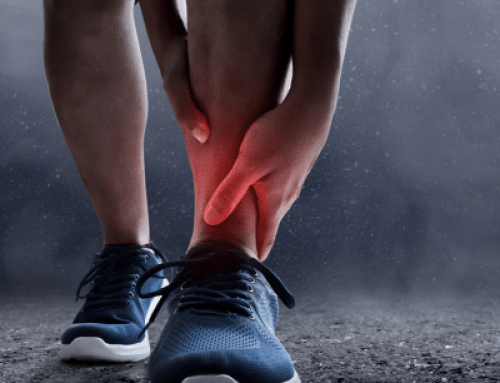
Patellofemoral pain, also known as runner’s knee, is a common injury in both beginners and experienced athletes.
Causes
 While the causes behind runner’s knee are not fully understood, there are several important theories. Overuse of the knee joint is one of the possibilities. Long-distance runners, avid tennis players and even people who are highly active at work all may suffer from patellofemoral pain. Muscle imbalance is another possible cause. Spending time only on cardio exercises without any strength training can create a muscle imbalance. When some of the leg muscles are weaker than others the kneecap may shift slightly, causing pain. Improper form during exercise may also be a contributing factor. During running, incorrect foot placement or too much twisting at the hip can all contribute to pain development.
Symptoms
Patellofemoral pain can have a varied presentation in different people. The most common symptom in runner’s knee is pain around or behind the kneecap. The pain is usually dull and achy; however, some may experience sharp pain instead. Another common symptom is the feeling of instability in the knee or that the knee is buckling. Patellofemoral pain can get worse with weight-bearing activities. Running is an obvious example but others include climbing stairs, hiking or squatting.
Treatment
Initially, the treatment for runner’s knee is symptomatic. This includes resting the knee joint, putting ice on the areas where the pain occurs and taking over-the-counter pain relievers such as ibuprofen (Advil) or acetaminophen (Tylenol). If the pain does not go away or keeps coming back repeatedly, it may be time to see a doctor. A physician may be able to provide a knee brace or tape your knee which should help provide pain relief. Prevention of future injury is always important. Avoiding overtraining, adding muscle strengthening exercises and maintaining proper form during an activity are all valuable prevention strategies.
If you are suffering, contact your HROSM orthopaedic specialist at (757) 873-1554 for further steps to take to address your issues. Our providers can help you find relief.