If your joints feel stiff, tender, or swollen, with a limited range of motion, you may have arthritis. According to the CDC,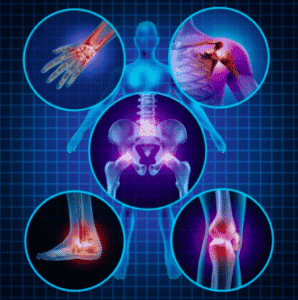 arthritis affects an estimated 54.4 million US adults annually, and that number is projected to grow as the population ages. There are various types of arthritis, due to many reasons, like genetics, joint overuse, or even a bacterial infection. One form of arthritis is post-traumatic arthritis, which usually results from an injury and may require medical attention.
What is Post-Traumatic Arthritis?
There are two forms of post-traumatic arthritis. The most common is post-traumatic osteoarthritis, characterized by degraded joint cartilage and nearby bone, most likely onset by an injury. Another type is post-traumatic inflammatory arthritis, which is not as common, and may be caused by inflammatory arthritis like rheumatoid arthritis. The symptoms of both types include joint swelling, pain, fluid buildup, and limited mobility.
Post-Traumatic Arthritis Risk Factors
Various risk factors include:
- Injury
- BMI
- Inactivity
- Joint Overuse
- Genetics
Diagnosis and Management
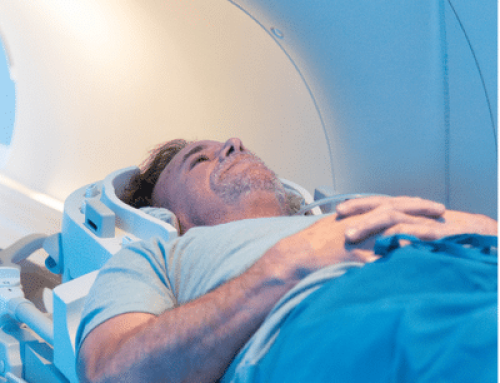
Though there is no cure for post-traumatic arthritis, proper medical care can improve your condition. First, your doctor may review your medical history, schedule an X-ray, and perhaps a blood test. Then, you and your doctor may discuss a management plan, including lifestyle factors like diet and exercise, as well as physical therapy, medication, and in some cases, surgery.
Talk to an Orthopaedic Doctor
Orthopedic doctors are licensed medical experts specializing in conditions that affect the musculoskeletal system, including our bones, cartilage, muscles, nerves, and connective tissue. Orthopedic doctors are trained to diagnose, treat, rehabilitate, and mitigate the symptoms of all types of arthritis, as well as other conditions.
An injury or chronic condition may lead to post-traumatic arthritis, and even though there is no cure, your condition may improve with the proper care and management plan. Diet, exercise, medication, and surgical procedures, under the guidance of medical specialists, may improve patient outcomes. If you have any questions or concerns regarding arthritis or joint pain, contact HROSM today at (757) 873-1554 for help with your arthritis issues.