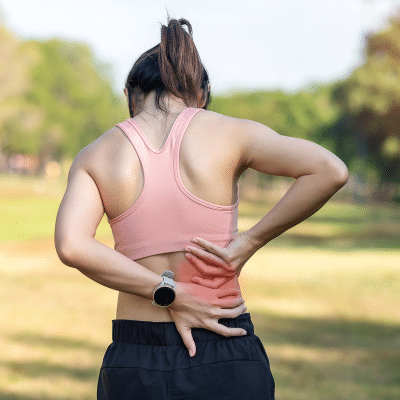
 Engaging in sports is a fantastic way to stay fit, build camaraderie and relieve stress. However, the physical demands of sports can also make you vulnerable to injuries, particularly in the back. At Hampton Roads Orthopaedics Spine & Sports Medicine, we understand the importance of maintaining your back health to ensure peak performance and long-term well-being. Whether you’re an amateur athlete or a seasoned professional, preventing sports-related back pain is crucial. Here are some essential tips to help our patients in Suffolk, Newport News, Yorktown and Williamsburg, VA protect their backs and keep in optimal condition.
Strengthen Your Core
Your core muscles, which include the muscles in your abdomen, lower back and pelvis, play a critical role in supporting your spine and maintaining good posture. A strong core can reduce the strain on your back during physical activity and help prevent injuries. Include core-strengthening exercises like planks, bridges and abdominal crunches in your workout routine. Pilates and yoga are also excellent for building core strength and improving flexibility, which further helps in protecting your back.
Always Warm Up and Cool Down
A thorough warm-up is crucial before starting any sports activity. It prepares your muscles, increases blood flow and reduces the risk of strains or sprains. Start with light aerobic exercises like jogging or jumping jacks, followed by dynamic stretches that target the back, hamstrings and hip flexors. Equally important is the cool-down period after your workout or game. Gentle stretching helps to relax your muscles, restore them to their resting length and prevent post-exercise stiffness, which can contribute to back pain.
Use the Correct Technique
Whether you’re lifting weights, swinging a tennis racket, or running, using the correct technique is crucial to avoid putting unnecessary strain on your back. Poor form can cause muscle imbalances and raise the likelihood of injury. For example, when lifting weights, always bend at the knees and keep your back straight to avoid straining your lower back. If you’re unsure about your form, consider working with a coach or trainer who can provide guidance and help you improve your technique.
Maintain Flexibility
Flexibility plays a key role in preventing sports-related back pain. Tight muscles, particularly in the hamstrings, hips and lower back, can lead to poor posture and increase the risk of injury. Regular stretching exercises that focus on these areas can help maintain flexibility and reduce muscle tension. Consider incorporating yoga or stretching routines into your regular exercise program to enhance your overall flexibility and spinal health.
Stay Hydrated
Hydration is essential for overall health and plays a specific role in maintaining the health of your spine. Your spinal discs, which act as cushions between your vertebrae, rely on adequate hydration to function properly. Dehydration can cause these discs to lose their cushioning ability, increasing the risk of injury and back pain. Make sure to drink plenty of water throughout the day, especially before, during and after sports activities.
Use Proper Equipment
The right equipment can make a significant difference in preventing back injuries. Wearing supportive footwear that provides good arch support can help reduce the impact on your spine, particularly during high-impact sports like running or basketball. If you participate in sports that involve lifting, consider using a weightlifting belt for additional support. Additionally, make sure that your sports equipment, such as bicycles, golf clubs, or tennis rackets, is properly fitted to your body to avoid putting unnecessary strain on your back.
Gradually Increase Intensity
One common cause of sports-related back pain is overexertion or rapidly increasing the intensity of your workouts. It’s important to allow your body to adapt to new demands gradually. Follow the 10% rule, which suggests increasing your training intensity or volume by no more than 10% per week. This gradual progression helps to avoid overloading your muscles and spine, reducing the risk of injury.
Ensure Adequate Rest and Recovery
Rest is just as important as exercise when it comes to preventing back pain. Your muscles and spine need time to recover after intense physical activity. Overtraining without adequate rest can lead to muscle fatigue, poor form and increased risk of injury. Make sure to get enough sleep each night and include rest days in your training schedule. If you feel any persistent discomfort or pain in your back, it’s essential to take a break and seek medical advice if necessary.
Listen to Your Body
Pay attention to your body’s signals during and after sports activities. If you experience any back pain or discomfort, don’t ignore it. Addressing issues early can prevent them from developing into serious injuries. Use ice, rest and over-the-counter pain relievers if needed, but if the pain persists, it’s important to consult a healthcare professional. Ignoring pain can lead to chronic issues that may require more extensive treatment.
Seek Professional Guidance
If you have a history of back problems or are concerned about your risk of injury, consider consulting with a specialist in sports medicine or orthopaedics. A professional can assess your individual risk factors, recommend personalized exercises and provide advice on safe training practices. They can also offer treatments such as physical therapy or chiropractic care to help keep your back healthy and pain-free.
Sports-Related Back Pain: Request Your Appointment in Hampton Roads, VA Today
Preventing sports-related back pain requires a combination of strength, flexibility, proper technique and careful training practices. By following these tips, you can reduce your risk of injury and continue to enjoy the sports you love. At Hampton Roads Orthopaedics Spine & Sports Medicine, we proudly serve Hampton Roads, VA and the surrounding areas. We are committed to helping you maintain your back health and achieve your athletic goals. If you experience any back pain, don’t hesitate to request your appointment to ensure a full and speedy recovery.