
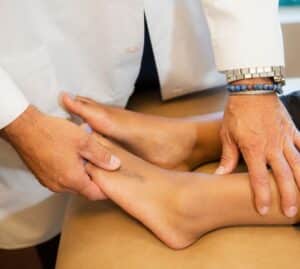
Preventing Foot and Ankle Injury: Simple Steps for Staying Strong and Safe
Many foot and ankle injury issues are caused by weak muscles, unstable joints, and tight tendons. The physicians at Hampton Roads Orthopaedics Spine & Sports Medicine (HROSM) offer a few simple tips to help you stay strong and injury-free.
Have you ever, or do you know someone who has, sprained their ankle? Chances are, your answer is yes. Foot and ankle injuries are extremely common and can happen to anyone—athletes, weekend warriors, or even those simply walking on uneven ground. While these injuries can sometimes result from a traumatic accident or unforeseen event, many of them are actually preventable. Weak muscles, tight tendons, and improper footwear are often at the root of these issues—and all of them can be addressed with some proactive care.
How to Prevent Foot and Ankle Injury
Here are some key areas to focus on in order to reduce your risk of a foot and ankle injury:
1. Maintain a Healthy Body Weight
Controlling your body weight and keeping it within a healthy range helps reduce the stress placed on your feet and ankles, as well as your knees and hips. Carrying excess weight can overburden the lower limbs, leading to inflammation, pain, or a higher risk of sustaining an injury. Lower body weight also supports better circulatory health, allowing your body to heal more effectively in the event that you do experience a minor foot and ankle injury.
2. Strengthen Your Core
Many people don’t realize that core strength directly affects posture and balance, which in turn impacts your gait and how pressure is distributed across your lower body. When the core muscles are weak, the spine may become misaligned, which can cause unnecessary stress on your joints. A strong core promotes better alignment and reduces the chances of improper movement that could lead to injury—especially a foot and ankle injury caused by poor balance or awkward motion.
3. Build Joint Strength
Targeted strength training can help you build stronger joints that are less likely to give way under stress. Whether you use resistance bands, free weights, or specialized gym machines, working on your ankles and knees will improve their stability. Strong, stable joints are much better equipped to handle sudden changes in direction, uneven surfaces, and high-impact activities—all of which are common scenarios for a potential foot and ankle injury.
4. Incorporate Regular Stretching
Daily stretching is essential to keep the muscles and tendons in your legs, feet, and ankles loose and responsive. Tight tendons are more prone to strain or snapping under pressure. HROSM recommends regular stretching to maintain flexibility, reduce the risk of cramps, and improve circulation throughout your extremities. Incorporating stretches before and after physical activity can greatly reduce your chances of suffering from a foot and ankle injury.
5. Choose Proper Footwear
Wearing the right shoes can make a world of difference. Supportive, activity-appropriate footwear minimizes stress on your feet, ankles, and knees. Whether you’re running, hiking, or spending a long day on your feet, your shoes should provide proper arch support, cushioning, and—when necessary—ankle coverage. High-ankle boots are ideal for hiking or navigating uneven terrain, as they reduce the risk of rolling or twisting your ankle—one of the most common types of foot and ankle injury.
Stay Ahead of Injury with Expert Help
If you’ve experienced discomfort or want to take proactive steps to prevent a foot and ankle injury, schedule an appointment with the foot and ankle specialists at HROSM. Our team can help you develop a customized strength and prevention plan tailored to your lifestyle and activity level.
At HROSM, we’re committed to helping you stay strong, active, and injury-free. Let us guide you on your journey to healthier feet and ankles—so you can keep moving with confidence.