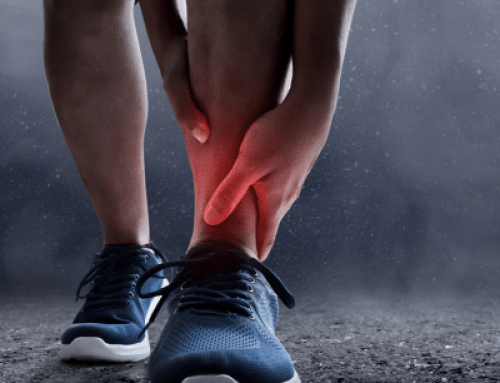
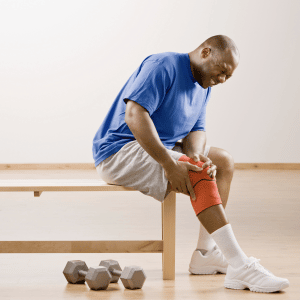
 Indoor sports offer a convenient and enjoyable way to stay active, especially when the weather outside is less than ideal. Whether it’s basketball, volleyball, or even indoor soccer, these activities provide an excellent opportunity for exercise and social interaction. However, it’s essential to recognize that indoor sports are not without their risks, particularly when it comes to orthopedic injuries.
Understanding Orthopedic Injuries
Orthopedic injuries encompass a wide range of conditions that affect the musculoskeletal system, including bones, muscles, ligaments, tendons, and joints. These injuries can result from various factors, including overuse, poor technique, lack of conditioning, and even accidents during gameplay. In the context of indoor sports, the most common orthopedic injuries include sprains, strains, fractures, and dislocations.
- Sprains and Strains
Sprains involve the stretching or tearing of ligaments, which connect bone to bone, while strains involve damage to muscles or tendons. In indoor sports, these injuries often occur due to sudden movements, awkward landings, or collisions with other players. Sprained ankles and strained muscles are frequent examples of these injuries.
- Fractures
Fractures, or broken bones, can occur when players fall or collide with each other or the playing surface. Stress fractures are also common among athletes who repeatedly engage in high-impact indoor sports like basketball, where constant jumping and landing can put immense strain on the bones over time.
- Dislocations
Dislocations involve the separation of bones from their normal positions in a joint. This can happen during forceful impacts or sudden twisting motions. In indoor sports like volleyball or wrestling, dislocations of the shoulder or finger joints can occur.
Preventing Indoor Sports Injuries
To minimize the risk of orthopedic injuries during indoor sports, individuals should consider the following precautions:
- Warm-up: Always start with a proper warm-up routine to prepare the muscles and joints for physical activity.
- Technique: Learn and practice proper techniques for your chosen sport to reduce the risk of injuries caused by poor form.
- Conditioning: Maintain good physical conditioning to improve strength and endurance, which can help prevent injuries.
- Protective gear: Wear appropriate protective gear, such as knee pads or ankle braces, to support vulnerable areas.
- Rest and recovery: Allow the body adequate time to rest and recover between sessions to prevent overuse injuries.
Avoiding Indoor Sports Injuries: What You Need to Know
Indoor sports offer year-round fun and fitness, from basketball and volleyball to racquetball and indoor soccer. But just because you’re inside doesn’t mean you’re injury-proof. In fact, confined spaces, hard surfaces, and fast-paced action can increase the risk of certain injuries.
Common indoor sports injuries include sprains, strains, and fractures. Ankles and knees are especially vulnerable due to quick pivots, sudden stops, and uneven landings. Indoor court surfaces can also lead to repetitive stress injuries like shin splints or tendinitis, especially in high-impact activities. For contact sports or games involving rapid direction changes, concussions and collisions are not uncommon either.
One of the best ways to prevent injuries is through proper warm-up and stretching. Dynamic stretches get your muscles ready for movement and help improve flexibility. Wearing sport-specific shoes with good grip and support can also reduce your chances of slipping or rolling an ankle.
Don’t underestimate the importance of good technique, either. Whether you’re lifting weights, playing pickup basketball, or hitting the volleyball court, using proper form protects your joints and muscles. And if you’re feeling tired or in pain, it’s smarter to rest than push through — fatigue is one of the leading causes of preventable injuries.
Indoor sports are a great way to stay active and social, but taking a few precautions can keep you off the sidelines and in the game. Stay smart, stay safe, and enjoy the competition!
Understanding these potential risks and taking preventive measures can help athletes enjoy their favorite indoor sports while minimizing the chances of sustaining injuries. By prioritizing safety and proper training, individuals can continue to reap the rewards of indoor sports without compromising their orthopedic health.
If you suffer from an indoor sports orthopedic injury, contact Hampton Roads Orthopaedics Spine & Sports Medicine. Our team of expert providers are ready to help you get back to doing what you love.