
To learn about cervical disc replacement, it’s best to know as much as possible about what a cervical disc is and what purpose it serves. Your cervical discs are cushions that lie between the seven bones that make up your cervical vertebrae, which protect the upper part of your spinal cord. The cervical discs allow your neck to move freely as they act similar to shock absorbers. In our latest blog, you will learn everything you need to know about cervical disc replacement.
 What is Cervical Disc Replacement?
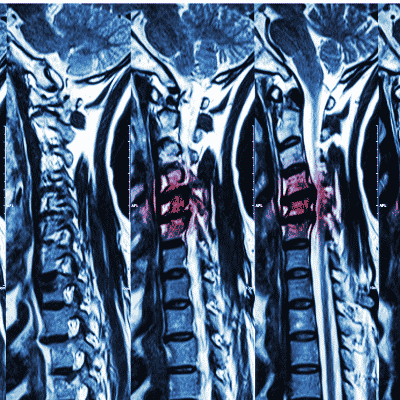 What is Cervical Disc Replacement?
Cervical disc replacement is a surgery that removes a diseased or damaged disc from your cervical vertebrae and replaces it with an artificial prosthetic, often made of metal or polymer. This is a fairly new procedure that serves as an alternative to traditional fusion surgery. This surgery provides an advantage over fusion surgery as it allows you to retain more of your natural movement and creates less stress on your remaining cervical vertebrae.
Neck pain can be more than just an inconvenience—it can impact your ability to work, sleep, and enjoy everyday activities. For individuals suffering from severe cervical disc issues, surgery may become a necessary option. One modern surgical solution that’s gaining popularity is cervical disc replacement.
Cervical disc replacement is a surgical procedure that removes a diseased or damaged disc from your cervical vertebrae—the bones in your neck—and replaces it with an artificial disc. This prosthetic is typically made of metal or polymer materials and is designed to mimic the natural movement of a healthy disc.
This procedure is considered a relatively new advancement in spine surgery and is often recommended as an alternative to the traditional spinal fusion. Unlike fusion, which permanently joins two or more vertebrae together, disc replacement maintains more of your neck’s natural motion. This mobility preservation helps reduce the stress placed on the surrounding discs and vertebrae, potentially minimizing the risk of future degeneration.
Patients often experience faster recovery times, reduced need for long-term pain medications, and improved quality of life after disc replacement surgery. If you’re dealing with chronic neck pain and considering surgical options, it’s worth discussing this minimally invasive procedure with your spine specialist.
Why Would I Need Cervical Disc Replacement?
It is extremely common to experience cervical disc degeneration, the natural wear and tear that happens to your discs as you age. Many people experience cervical disc bulging or collapse by the time they are in their 60s. Though symptoms of cervical disc degeneration vary by person, they often include the following:
- Neck pain or stiffness
- Headaches
- Numbness in your arms
- Weakness in your shoulders, arms, hands or legs
- Pain that shoots down from your shoulders into your arms
These symptoms are caused when your vertebrae become too narrow, and part of the vertebrae or one of your discs begins to press on your nerve roots or spinal cord. Cervical disc replacement is designed to relieve the pressure on your nerves and allow them to heal while also retaining most, if not all, of the motion you had in your neck before the surgery.
Cervical disc replacement can also help prevent the progression of other symptoms, such as trouble walking or with coordination. However, this surgery is mainly recommended for those who have symptoms past the neck and have exhausted nonsurgical options, so make sure you talk to a doctor to see what options are available before opting into this surgery.
Do you have a concern? Don’t wait to get the help you need. Contact your HROSM orthopaedic specialist at (757) 873-1554 to discuss your symptoms, ask questions, and take the next steps toward relief and recovery.