 Spine surgery has undergone significant advancements over the past few decades, dramatically transforming how spinal conditions are treated. Minimally invasive spine surgery (MISS) has emerged as a revolutionary approach, offering numerous benefits over traditional open surgery. At Hampton Roads Orthopaedics Spine & Sports Medicine, we are committed to providing our patients with cutting-edge treatments that promote faster recovery and better outcomes. In this blog, we will explore the advancements in minimally invasive spine surgery and how they are enhancing patient care for our patients in Suffolk, Newport News, Yorktown and Williamsburg, VA.
What is Minimally Invasive Spine Surgery?
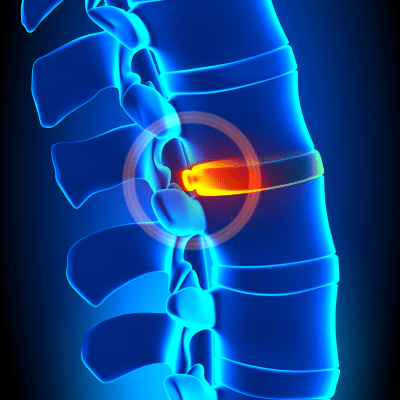
Minimally invasive spine surgery (MISS) uses small incisions and advanced tools to reach the spine. This approach minimizes damage to the surrounding muscles and tissues, leading to less pain and a quicker recovery compared to traditional open surgery. MISS is used to treat a variety of spinal conditions, including herniated discs, spinal stenosis, degenerative disc disease and spinal deformities.
Key Advancements in Minimally Invasive Spine Surgery
Enhanced Imaging Techniques
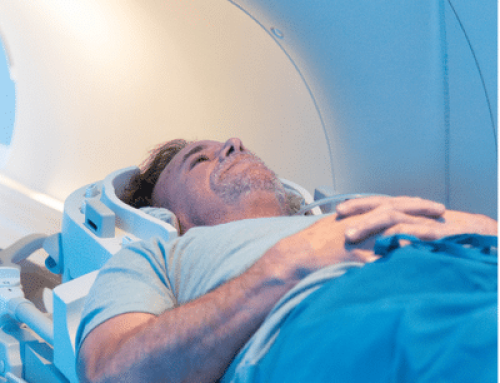
One of the most significant advancements in MISS is the use of advanced imaging techniques, such as intraoperative CT scans and real-time fluoroscopy. These technologies allow surgeons to obtain detailed, 3D images of the spine during surgery, providing greater precision and accuracy. Enhanced imaging ensures that the surgical instruments are precisely placed, reducing the risk of complications and improving overall outcomes.
Robotic-Assisted Surgery
Robotic-assisted surgery is another groundbreaking advancement in the field of MISS. Robotic systems, such as the Mazor X and ExcelsiusGPS, provide surgeons with enhanced control and precision. These systems use preoperative imaging to create a detailed surgical plan, which the robot then helps execute with high accuracy. Robotic-assisted surgery reduces the margin of error, minimizes tissue damage and leads to more consistent and predictable results.
Endoscopic Spine Surgery
Endoscopic spine surgery involves the use of a small, flexible tube with a camera (endoscope) to visualize the surgical area. This technique allows surgeons to perform complex procedures through tiny incisions, often less than an inch in length. Endoscopic spine surgery is particularly beneficial for treating conditions like herniated discs and spinal stenosis, offering reduced postoperative pain, shorter hospital stays and faster recovery times.
Advanced Instrumentation
The development of specialized surgical instruments has greatly enhanced the capabilities of MISS. Instruments like tubular retractors, which gently separate muscles rather than cutting through them, reduce muscle damage and postoperative pain. Additionally, high-frequency ultrasonic devices can precisely remove bone and soft tissue, minimizing collateral damage and promoting quicker healing.
Biologics and Regenerative Medicine
Incorporating biologics and regenerative medicine into MISS is a significant advancement that promotes natural healing and recovery. Techniques such as platelet-rich plasma (PRP) therapy and stem cell therapy can enhance the body’s ability to heal itself. These therapies are used in conjunction with minimally invasive procedures to improve tissue regeneration and reduce inflammation, leading to better outcomes and faster recovery.
Benefits of Minimally Invasive Spine Surgery
The advancements in minimally invasive spine surgery offer numerous benefits for patients:
- Reduced Pain and Scarring: The smaller incisions used in MISS result in less trauma to the muscles and tissues surrounding the spine. This leads to reduced postoperative pain and minimal scarring, which is cosmetically preferable for many patients.
- Shorter Hospital Stays: Patients who undergo minimally invasive spine surgery typically experience shorter hospital stays compared to those who have traditional open surgery. In many cases, patients can go home the same day or after an overnight stay, reducing the risk of hospital-acquired infections and promoting a quicker return to normal activities.
- Faster Recovery Times: The reduced tissue damage and enhanced precision of MISS lead to faster recovery times. Patients can often return to work and daily activities much sooner than those who undergo traditional surgery. This approach is especially advantageous for athletes and those with physically intensive occupations.
- Lower Risk of Complications: Advancements in imaging, instrumentation and surgical techniques have significantly reduced the risk of complications associated with spine surgery. The precise nature of minimally invasive procedures minimizes the risk of infection, blood loss and damage to surrounding structures.
- Improved Outcomes: The combination of reduced pain, faster recovery and lower risk of complications contributes to overall improved outcomes for patients. Minimally invasive spine surgery allows for more effective treatment of spinal conditions, enhancing patients’ quality of life and long-term health.
Request Your Appointment in Hampton Roads, VA Today
Minimally invasive spine surgery represents a significant leap forward in the treatment of spinal conditions. At Hampton Roads Orthopaedics Spine & Sports Medicine, we proudly serve the Nansemond, Warwick and York counties in Virginia. We are dedicated to utilizing these advancements to provide our patients with the best possible care. If you are experiencing back pain or have been diagnosed with a spinal condition, our team of experts is here to help. Request your appointment today to learn more about our minimally invasive spine surgery options and how we can support you on your journey to recovery.